Home » Blog » Hard Water: Signs, Causes & How to Fix It

Hard Water: Signs, Causes & How to Fix It

If your faucets or showers suddenly feel weak, take a long time to build pressure, or lose pressure when more than one fixture is running, there may be a problem with your well pump, pressure system, plumbing, or water treatment equipment. Here’s how to narrow down the cause.

Quick Answer

Low water pressure can have several causes, and the source of the problem depends heavily on whether your home uses well water or city water.

For homes on a private well, common causes include a failing well pump, pressure tank problems, a clogged filter, incorrect pressure switch settings, or changes in the well itself. Because of this we suggest learning more about well pump repair. On city water, clogged plumbing, valves, fixtures, or problems with the municipal supply may be responsible.

If the pressure has suddenly dropped throughout the entire house, especially on a well, the pump and pressure system are good places to start. Learn more here

At a Glance

Most common cause
Well pump, pressure tank,
 clogged filter or plumbing
Common in
Well & city water
Dangerous?
No
Long-term solution
Depends on the cause

Common Signs of a Water Pressure Problem

You may notice:
  • Weak flow from faucets
  • Low shower pressure
  • Pressure drops when multiple fixtures are used
  • Washing machine takes longer to fill
  • Sprinklers don't have their normal range
  • Pressure repeatedly gets stronger and weaker
  • Well pump runs frequently or cycles rapidly
  • Pressure suddenly becomes much lower than normal
The pattern of the pressure problem can help determine what's causing it.

Why Is My Water Pressure Low?

Well Pump Problems

If your home uses a private well, the well pump is responsible for bringing water from the well into your home's pressure system.

A worn, damaged, improperly sized, or failing pump may no longer be able to provide the flow and pressure your home needs.

A significant or sudden loss of pressure can sometimes be one of the first signs of a pump problem.

Pressure Tank Problems

The pressure tank helps maintain steady water pressure and reduces how frequently your well pump needs to turn on and off.

A damaged bladder, incorrect air charge, waterlogged tank, or improperly sized pressure tank can cause noticeable changes in pressure.

One common symptom is rapid pressure fluctuations or frequent pump cycling.

Pressure Switch or Control Problems

Most residential well systems use a pressure switch to tell the pump when to turn on and off.

If the switch is damaged, clogged, incorrectly adjusted, or not communicating properly with the pump, the system may not maintain its normal pressure range.

Plumbing Restrictions

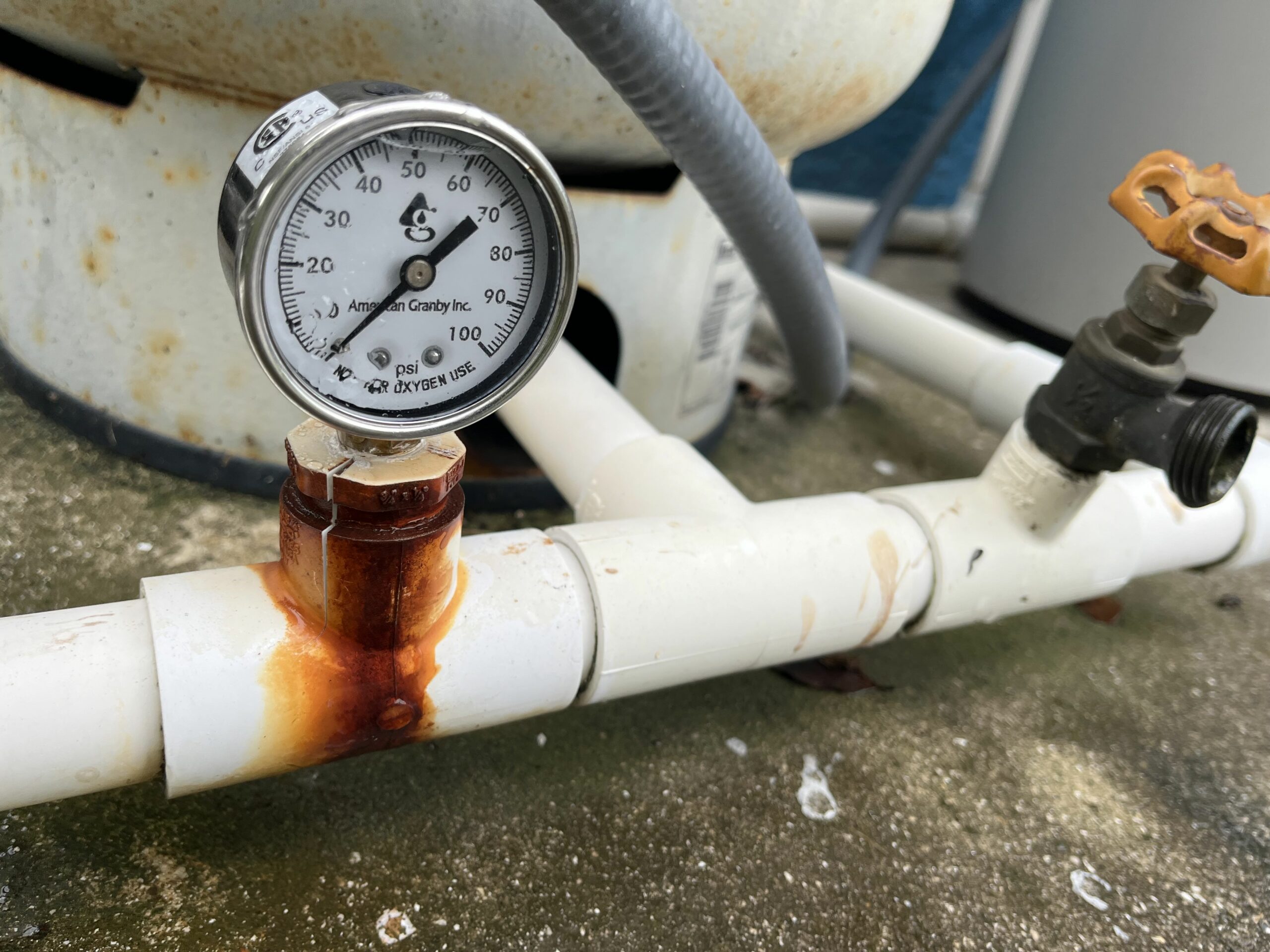
Corrosion, mineral buildup, partially closed valves, damaged pipes, and other plumbing restrictions can reduce flow.

If only one faucet or shower has low pressure while the rest of the house is normal, the problem is more likely isolated to that fixture or section of plumbing.

Pressure Switch or Control Problems

Most residential well systems use a pressure switch to tell the pump when to turn on and off.

If the switch is damaged, clogged, incorrectly adjusted, or not communicating properly with the pump, the system may not maintain its normal pressure range.

Water Treatment Equipment

Water softeners, iron filters, carbon filters, and other treatment systems must be properly sized for the home's required flow rate.

How to Tell What's Causing Your Low Water Pressure

The first thing to determine is where and when the pressure problem occurs.

Low pressure at one fixture

If only one sink or shower is affected, check the faucet aerator, showerhead, fixture, or nearby plumbing first.

Low pressure throughout the house

If every fixture is affected, the problem is more likely related to the main water supply, well system, pressure system, filtration equipment, or main plumbing.

Pressure starts strong and then gets weak

A noticeable drop in pressure while water is being used can point toward a flow limitation, pressure tank issue, pump problem, clogged filter, or a well that cannot keep up with demand.

Pressure goes up and down

Repeated changes between strong and weak pressure can indicate problems with the pressure tank, pressure switch, or well pump.

Pressure dropped suddenly

A sudden major change deserves more attention than pressure that has always been somewhat low.

For a well-water home, a sudden pressure loss can indicate a pump, electrical, pressure-control, or well-system problem.

Is Low Water Pressure Dangerous?

Low water pressure itself usually isn't dangerous.

However, the underlying cause matters.

For example, low pressure caused by a clogged filter is very different from low pressure caused by a failing well pump or damaged plumbing.

If your home suddenly has very little water—or no water at all—the well and pump system should be checked rather than assuming the problem is simply normal low pressure.

How to Improve Low Water Pressure

Replace clogged filter
✔ Restricted filtration
Service pressure tank/switch
✔ Pressure fluctuations
Repair or replace well pump
✔ Pump-related pressure problems
Correct treatment restriction
✔Pressure loss through equipment
Repair plumbing restriction
✔Pipe or fixture problems

The right solution depends on what is actually restricting the water or preventing the system from building pressure.

Replacing equipment before diagnosing the cause can easily leave you with the same pressure problem.

Southwest Florida Homeowner Notes

Private wells are common throughout parts of Sarasota and Charlotte Counties, which means low-pressure calls often involve more than just household plumbing.

Well pumps, pressure tanks, sediment, water treatment equipment, and the condition of the well itself can all affect how much water reaches the house.
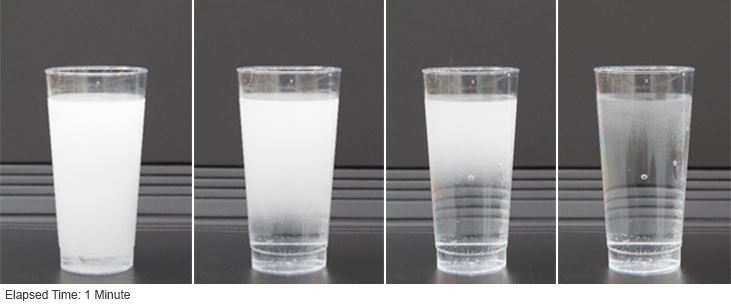
If you're also noticing cloudy or dirty-looking water, sediment may be entering the plumbing and contributing to restrictions. Learn why your water looks cloudy.

If you're on a well and your pressure has recently changed, diagnosing the entire well and pressure system is usually more useful than simply trying to increase the pressure setting.

Frequently Asked Questions

Why is my well water pressure suddenly low?

A sudden drop can be caused by a well pump problem, pressure tank or pressure switch issue, clogged filter, electrical problem, plumbing restriction, or a change in the well's ability to supply water.

Can a bad well pump cause low water pressure?

Yes. A worn or failing well pump may have difficulty producing the flow or pressure your home normally receives.

Can a water softener cause low water pressure?

It can. A clogged, malfunctioning, or improperly sized water softener can restrict flow. Other filtration systems can cause similar problems.

Why does my water pressure drop when I turn on two faucets?

Using multiple fixtures increases the amount of water your system needs to supply. A large pressure drop can indicate that the pump, well, plumbing, or treatment system cannot maintain the required flow.

Why is my shower pressure low but my faucets are fine?

If the problem only occurs at the shower, check the showerhead and that fixture's plumbing first. A whole-house well or pressure problem normally affects multiple fixtures.

Do I need a new well pump if my pressure is low?

Not necessarily. Low pressure can come from the pump, but it can also be caused by the pressure tank, switch, filters, treatment equipment, plumbing, or the well itself. The system should be diagnosed before replacing the pump.

About This Resource

This guide was created by Otter Water Solutions to help homeowners throughout Sarasota, Charlotte, and surrounding Southwest Florida communities better understand common water quality issues and treatment options. Our recommendations are based on years of experience testing and treating local water conditions.

Continue Learning...

Hard Water: Signs, Causes & How to Fix It

Hard Water: Signs, Causes & How to Fix It

If your faucets or showers suddenly feel weak, take a long time to build pressure, or lose pressure when more than one fixture is running, there may be a problem…

Read more
Why Does My Water Make My Skin Dry?

Why Does My Water Make My Skin Dry?

If your faucets or showers suddenly feel weak, take a long time to build pressure, or lose pressure when more than one fixture is running, there may be a problem…
Read more
Why Is My Water Cloudy?

Why Is My Water Cloudy?

If your faucets or showers suddenly feel weak, take a long time to build pressure, or lose pressure when more than one fixture is running, there may be a problem…
Read more
Why is my water orange?

Why is my water orange?

If your faucets or showers suddenly feel weak, take a long time to build pressure, or lose pressure when more than one fixture is running, there may be a problem…
Read more
Why Does My Water Smell Like Rotten Eggs?

Why Does My Water Smell Like Rotten Eggs?

A rotten egg smell in your water is usually caused by hydrogen sulfide gas, sulfur bacteria, or issues inside your home's plumbing. Here's how to identify the source and the…
Read more
August 21, 2026

Still Not Sure What's Causing Your Water Problem?

Get your FREE personalized water consultation

Family Owned. Locally Based. Professionally Operated. Serving Sarasota and surrounding areas.
Hours: Monday - Friday, 8am - 5pm
  • 941-525-3507
Call for free estimate
Office@OtterWaterSolutions.com
Sitemap